The short answer
Start with a Gospel, not with Genesis. John is the usual first book; Mark is the shortest. Read one chapter a day at a time you can keep, ask what it shows you about Jesus, and pray about it in a sentence or two. After the Gospel, read Acts. The plan below takes thirty days and needs only a New Testament.
Many new Christians decide to read the Bible from cover to cover, start bravely in Genesis, and give up somewhere in the laws of Leviticus or the lists of names in Numbers. Those books matter, but they are not the place to begin. The Bible is a library of 66 books, not one long novel, and you can enter it at the door that makes most sense: the life of Jesus.
Where to start
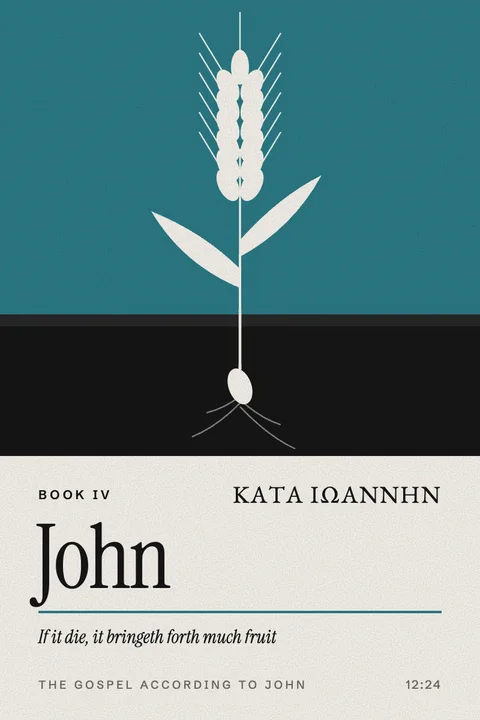
The Gospel of John is the book most often recommended to new believers. Billy Graham’s long-standing advice to a new Christian was to begin with John, then Acts, then the letters of John and Philippians, then Romans. Its writer says plainly why he wrote it, “that you may believe that Jesus is the Christ, the Son of God, and that believing you may have life in his name” (John 20:31). Its 21 chapters move from the first disciples to the empty tomb, with some of the best-loved words of Jesus in between.
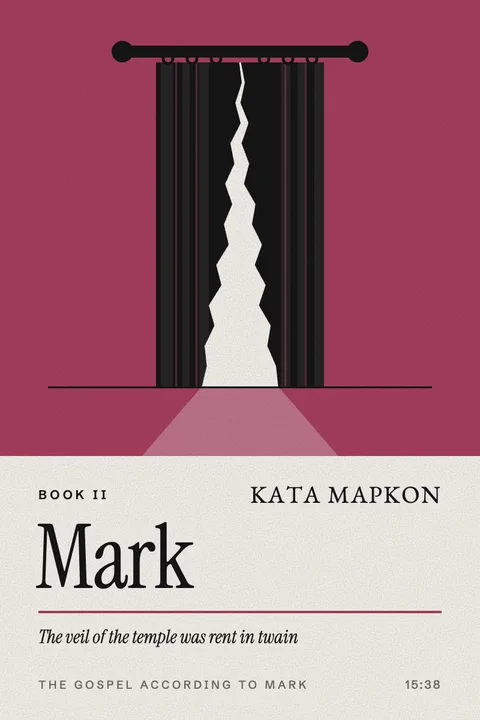
The Gospel of Mark is the shortest Gospel, sixteen chapters, and the fastest. If you would rather see the whole story quickly, start there; we have a separate 30-day reading plan for Mark. To choose between the four Gospels, see how the four Gospels differ.
After a Gospel, a common path is Acts (what happened after the resurrection), then a short letter such as Philippians or 1 John, then Romans. Alongside the New Testament, many people read a Psalm a day; the Psalms are in the Old Testament, so you will need a full Bible or an app for them. Genesis makes a good first Old Testament book once you have read a Gospel.
A simple way to read each day
You do not need a method with a name. Four small steps are enough:
- Ask. Before you read, pray a sentence: “Lord, help me understand what I read.”
- Read. Read one chapter slowly, all the way through. If you can, read it aloud.
- Notice. Ask three questions. What does this show me about God, or about Jesus? What surprised me or puzzled me? Is there something here to believe, to stop, or to do?
- Respond. Write one line in a notebook, and pray about it in your own words.
Ten or fifteen minutes is plenty. The aim is not to finish a chapter but to meet the God who speaks in it.
Your word is a lamp to my feet, and a light for my path.
KJVThy word is a lamp unto my feet, and a light unto my path.
Psalm 119:105 · World English Bible, with the King James Version
When you don’t understand
You will find passages you do not understand, and that is normal. It happened in the Bible itself. When the apostle Philip met an Ethiopian official reading the prophet Isaiah in his chariot, their conversation went like this:
Philip ran to him, and heard him reading Isaiah the prophet, and said, “Do you understand what you are reading?” He said, “How can I, unless someone explains it to me?” He begged Philip to come up and sit with him.
KJVAnd Philip ran thither to him, and heard him read the prophet Esaias, and said, Understandest thou what thou readest? And he said, How can I, except some man should guide me? And he desired Philip that he would come up and sit with him.
Acts 8:30–31 · World English Bible, with the King James Version
The official did not need a better book; he needed someone to read with. Ask a pastor or a Christian friend, join a small group or a course for new Christians, and bring your notebook. In the meantime, keep going: mark the verse with a question mark and read on. Much becomes clearer as you see the whole story, and you can come back to it.
Making it a habit
- Same time, same place. With your morning coffee, at lunch, or before you sleep. Attach it to something you already do.
- Keep the book where you will see it. A Bible on the bedside table gets read more often than one on a shelf.
- Missed a day? Do not try to catch up on everything. Read today’s chapter. The plan below has a catch-up day each week.
- Read with someone. Two people reading the same chapter and texting one sentence about it keep each other going.
A 30-day reading plan for new Christians
This plan reads the whole Gospel of John in its first four weeks, one chapter a day, with a catch-up day each week. It then reads the beginning of Acts and three passages every new Christian should know: how Jesus taught his disciples to pray, the parables of the lost, and Romans 8. Every reading is in the New Testament, so any New Testament or full Bible will do.
Week 1: who Jesus is
- Day 1: John 1. The Word becomes flesh; the first disciples.
- Day 2: John 2. Water into wine; the temple.
- Day 3: John 3. Nicodemus: being born again.
- Day 4: John 4. The woman at the well.
- Day 5: John 5. A healing at the pool; Jesus and the Father.
- Day 6: John 6. The bread of life.
- Day 7: Catch up. Or reread the chapter that stayed with you.
Week 2: light and life
- Day 8: John 7. Rivers of living water.
- Day 9: John 8. The light of the world.
- Day 10: John 9. A man born blind sees.
- Day 11: John 10. The good shepherd.
- Day 12: John 11. Lazarus.
- Day 13: John 12. The grain of wheat.
- Day 14: Catch up. Or write down three things you have learned about Jesus.
Week 3: the last evening
- Day 15: John 13. Jesus washes the disciples’ feet.
- Day 16: John 14. The way, the truth and the life.
- Day 17: John 15. The vine and the branches.
- Day 18: John 16. The promise of the Spirit.
- Day 19: John 17. Jesus prays for his followers.
- Day 20: John 18. The arrest and the trial.
- Day 21: Catch up. Or reread John 14–17 in one sitting.
Week 4 and beyond: the cross, the resurrection, and what came next
- Day 22: John 19. The crucifixion.
- Day 23: John 20. The empty tomb; Thomas.
- Day 24: John 21. Breakfast by the lake; Peter restored.
- Day 25: Acts 1. The ascension.
- Day 26: Acts 2. Pentecost and the first church.
- Day 27: Matthew 6. How Jesus taught his disciples to pray.
- Day 28: Luke 15. The lost sheep, the lost coin, the lost son.
- Day 29: Romans 8. No condemnation; nothing can separate us from the love of God.
- Day 30: Review. Look back over your notes and choose what to read next.
After thirty days, carry on with Acts, read Mark in thirty days, or start a Psalm a day. Our guides to reading John 1, the Lord’s Prayer, the parables of Luke 15 and the Sermon on the Mount go deeper into several of these passages.
Which Bible to read it in
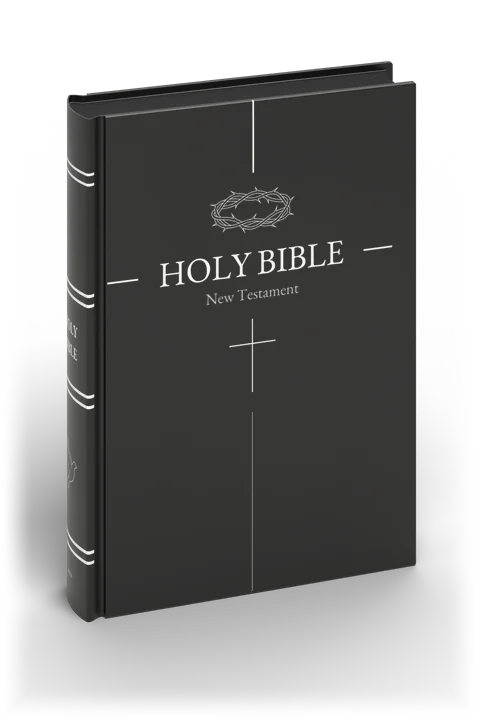
Any complete Bible or New Testament in a translation you understand will do; see which Bible to buy as a new Christian for how to choose. If you would like a book made for exactly this first month, our Gospel of John is the complete Gospel as one slim illustrated book of 64 pages, the words of Jesus in red, in the King James Version or the World English Bible: $35 as a softcover, $45 as a hardcover or $10 as an eBook. For the whole plan in one book, the Black Edition and White Edition New Testaments contain every reading in it.
Questions about starting
Where should a new Christian start reading the Bible?
With a Gospel, the story of Jesus. John is the most common first book; Mark is the shortest. Then read Acts and a short letter such as Philippians, and add the Psalms and Genesis when you are ready.
Should I read the Bible from beginning to end?
Not at first. The Bible is a collection of books, and reading straight through from Genesis means meeting long law codes and genealogies before the life of Jesus. Many people read it all the way through later, with a one-year plan.
How much of the Bible should I read each day?
One chapter is a good start, about ten or fifteen minutes. Reading a little every day helps more than reading a lot once a week.
What if I don’t understand what I read?
Mark the passage, keep reading, and ask someone: a pastor, a Christian friend or a small group. Even in the Bible, the Ethiopian official reading Isaiah asked Philip to explain it (Acts 8:30–31).
Do I need a full Bible for this 30-day plan?
No. Every reading in the plan is in the New Testament, so a New Testament is enough. You will want a full Bible for the Psalms and the Old Testament afterwards.
How we wrote this guide. We make printed books of the New Testament, one book at a time, so we have spent a long time with the Gospels’ structure and chapter lengths: the plan’s pace (one chapter a day, John’s 21 chapters in three weeks plus catch-up days) is the pace at which our own one-book Gospels are meant to be read. The advice on where to begin follows long-standing pastoral advice, linked below. The quotations are from the World English Bible and the King James Version texts we print. Published 21 October 2026.
Sources and further reading
- Where should I begin in my Bible reading? (Billy Graham Evangelistic Association)
- Where should a new believer start in the Bible? (Desiring God)
- Where to start reading the New Testament
- How to read Bible references (what “John 3:16” means)
- Starting a New Testament reading group